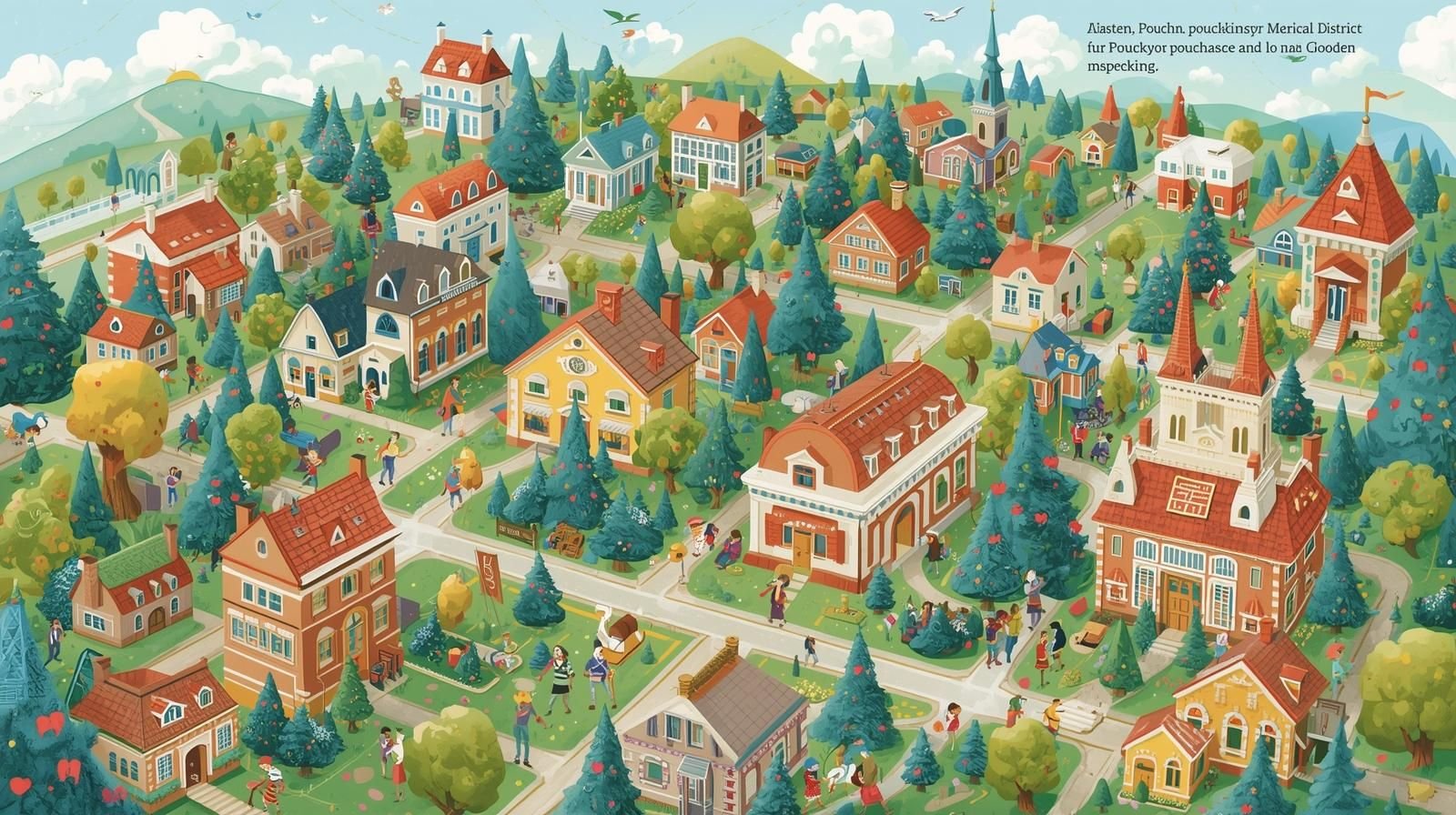
The district municipal pouchkinsky has emerged as a growing example of balanced local governance, cultural identity, and strategic urban development. This region is often highlighted for its thoughtful planning, community-focused programs, and modern infrastructure. As interest in regional management continues to rise, this district stands out for its blend of tradition, innovation, and long-term sustainability. Its story reflects how a municipal district can evolve while preserving its character.
Historical Background and Administrative Growth
The foundation of the district was shaped by its geography, people, and administrative ambitions. Early settlements formed around natural routes, creating a core for trade and cooperation. As communities expanded, local leaders focused on creating a structured administrative model. This model allowed different sectors to grow without losing cultural integrity. Over time, the district adopted clearer governance rules, transparent systems, and public involvement in decision-making.
This long historical process helped establish a strong identity. Regional planners placed great emphasis on education, heritage, and public participation. These priorities shaped the character of the area, making it more than just a municipal unit. It became a symbol of community leadership and administrative discipline. Today, the district continues to evolve while keeping its roots visible.
Governance Structure and Public Services
A key feature of the district is its well-organized governance structure. Local leaders work through councils, committees, and community groups. These bodies ensure that decisions reflect the needs of residents. The administrative framework supports economic stability, social welfare, and transparent systems. It also maintains accountability and encourages civic engagement.
Public services have developed around the needs of the population. These services include education, healthcare, waste management, and transportation. The district focuses on accessibility and quality. Schools receive updated resources. Clinics follow modern standards. Local transportation connects residential zones with commercial centers. Smart infrastructure projects support a clean and efficient environment.
The district also uses digital tools to streamline public processes. Online portals allow residents to access forms, updates, and administrative support. This shift reduces delays and encourages more participation in community affairs.
Economic Landscape and Development Projects
The economic development of the district is driven by strategic planning. Small enterprises, family-run businesses, and larger industries all contribute to the local economy. The district promotes entrepreneurship by offering programs for innovation and skill development. Training centers support young professionals and help small businesses grow.
Agriculture, crafts, retail, and technology-related services play important roles. Agricultural zones benefit from improved irrigation and supply-chain support. Traditional crafts reflect local heritage while contributing to cultural tourism. Retail centers bring modern convenience to residents. Tech-based services help integrate remote work, digital trade, and creative industries.
Large development projects include improved roads, sustainable housing, and energy-efficient facilities. These projects strengthen the foundation for long-term growth. Environmental planning also guides economic choices. The district ensures that new developments support green spaces, clean water access, and reduced pollution.
Cultural Identity and Community Life
Culture is one of the strongest elements of the district’s identity. Residents take pride in preserving local traditions, seasonal events, and artistic expressions. Cultural centers host exhibitions, music programs, and educational workshops. These activities connect generations and create a sense of belonging.
The district values community unity. Local events bring together families, students, and professionals. Sports activities encourage health and teamwork. Social spaces such as parks, libraries, and community halls promote interaction and learning. Celebrations reflect both heritage and progress, blending old customs with modern ideas.
Language, arts, and history remain important. Schools integrate cultural studies into their curriculum. This approach ensures that future generations understand the roots of the district. Through these efforts, the district protects its identity while embracing new opportunities.
Environmental Policies and Sustainability Initiatives
Environmental planning is a major part of the district’s long-term vision. Leaders focus on preserving natural resources, improving waste systems, and promoting sustainable development. Green policies influence construction, transportation, and public spaces.
Recycling programs encourage responsible waste disposal. Green zones are expanded to support clean air and biodiversity. Energy-saving streetlights reduce emissions and lower expenses. Urban gardens and tree-planting campaigns strengthen ecological stability.
Water management projects ensure a reliable supply for residents, farms, and industries. The district also invests in climate-resilient infrastructure to protect against environmental challenges. Through these efforts, sustainability becomes a daily practice rather than a distant goal.
Future Vision and Long-Term Planning
The future of the district looks promising. Planners aim to enhance digital connectivity, expand business opportunities, and introduce new educational programs. They also focus on long-term housing, transportation upgrades, and community health initiatives.
One of the central goals is to maintain harmony between growth and environmental balance. Future projects include smart mobility systems, better public transport routes, and eco-friendly energy solutions. Educational institutions will benefit from digital tools, skill-based programs, and international collaboration.
Social development remains at the heart of the district’s vision. Youth programs, cultural exchanges, and community participation will continue to strengthen the social fabric. These long-term strategies ensure that the district progresses without losing its identity.
Conclusion
The district represents a model of balanced development, effective governance, and cultural pride. From its historical foundation to its modern vision, the area shows how regional planning can support both people and the environment. Its commitment to innovation, sustainability, and community life provides inspiration for other municipalities. The district continues to build a future shaped by cooperation, resilience, and thoughtful leadership.
