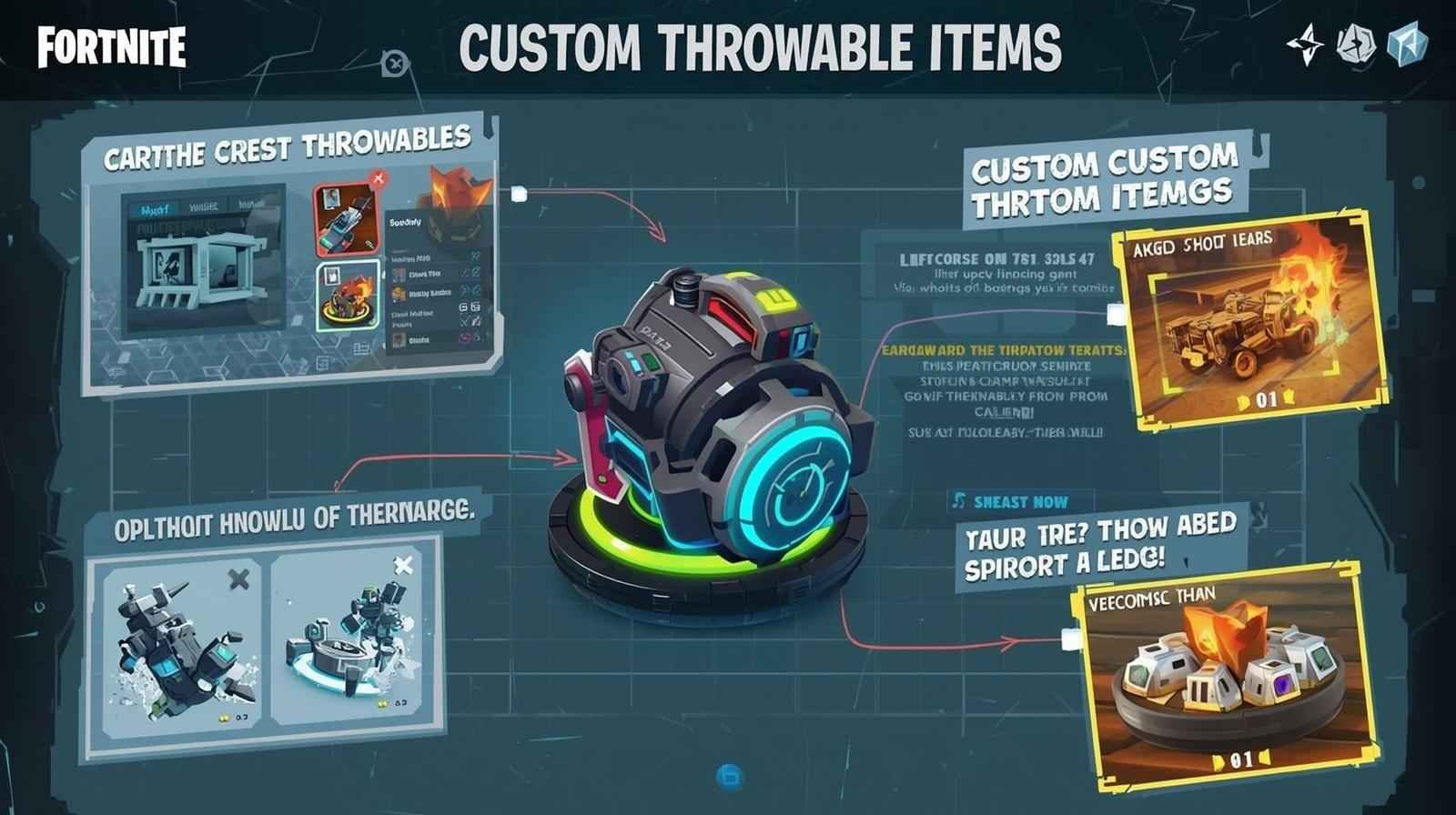
Creating modifications for games is a great way to personalize gameplay. Many players enjoy editing files, adding new mechanics, and experimenting with creative ideas. One popular topic in the modding community is how to upload custom throwables in t.i.ts. Understanding this process allows players to add new throwable items, adjust combat behavior, and improve the overall experience.
When learning how to upload custom throwables in t.i.ts, it is important to understand the basic structure of the game’s modding system. Most modding workflows involve editing game data files, creating item definitions, and loading them properly through the game’s mod or content folder. By following the correct structure, players can ensure their custom items appear correctly during gameplay.
Throwable items usually function as combat tools that can be used during encounters. These items often have attributes such as damage, status effects, or special mechanics. When creating a custom version, modders typically define the item’s name, description, damage type, and behavior during combat. Careful planning ensures the new item integrates smoothly with the existing mechanics.
Another important step is organizing your files. Game modding often requires placing custom files in specific folders. Proper file naming and structure help prevent loading errors. If files are misplaced or incorrectly formatted, the game may fail to recognize the new item.
Understanding these basics makes it easier to begin experimenting with custom content. With the right approach, anyone can learn how to upload custom throwables in t.i.ts and enhance the game with unique items.
Understanding the Game’s Modding Structure
Before creating a custom throwable item, you must understand how the game loads external content. Most moddable games rely on structured scripts or data files that define weapons, equipment, and consumables. These files act as instructions for the game engine.
In general, throwable items are defined within item scripts or configuration files. These scripts describe how the item behaves when used. For example, a throwable object might deal damage, apply a temporary effect, or interact with enemy defenses. Modders can adjust these values to create new gameplay mechanics.
The first step is locating the correct directory in the game files. Many games include a dedicated folder for mods or custom scripts. Placing your custom item file inside this folder allows the engine to detect and load it when the game starts.
Next, you must define the properties of the throwable item. These properties usually include:
- Item name
- Description text
- Damage value
- Damage type
- Combat effect
- Usage conditions
Each property should follow the format used by existing items. Studying original item scripts is a helpful way to understand how the system works. By reviewing these examples, modders can replicate the structure for new items.
Testing is another key step. After adding the file, launch the game and check whether the item loads correctly. If the item appears in the inventory or during combat, the structure is working properly.
Creating a Custom Throwable Item
After learning the file structure, the next stage is designing the custom throwable itself. This part of the process allows you to add creative features that change the combat experience.
Start by deciding the purpose of the item. Some throwable objects are designed for direct damage, while others create tactical advantages. For example, a throwable could slow enemies, reduce defenses, or trigger environmental effects.
Once the concept is clear, create a new script or configuration entry based on an existing template. Copying a similar item structure helps maintain compatibility with the game engine. After copying the template, rename the item and update its properties.
Important elements to modify include the damage formula and special effects. These determine how powerful the throwable will be in combat. Balanced values help maintain fair gameplay while still introducing something new.
The item description also matters. A clear description helps players understand how the item works. Good descriptions improve immersion and make the custom content feel like a natural part of the game.
Another useful step is assigning the item to vendors or loot tables. Without this step, the item might exist in the files but never appear in gameplay. By adding it to the correct lists, players can obtain it naturally during exploration or combat.
Following these steps carefully will help you understand how to upload custom throwables in t.i.ts without causing conflicts with existing files.
Uploading and Activating the Custom Throwable
Once the custom item file is finished, the final step is uploading and activating it within the game environment. This stage ensures the throwable becomes available during gameplay.
First, place the finished script or configuration file in the correct mod directory. This folder acts as the loading location for external content. Make sure the file extension and format match the original game scripts.
After placing the file, restart the game. Many engines only load new files during startup. Restarting ensures the system scans the mod directory and registers your custom content.
Next, test the item in a controlled environment. Some modders create test scenarios or temporary shop entries to confirm the item works correctly. During testing, check for common issues such as missing icons, incorrect damage values, or broken descriptions.
If problems appear, review the script formatting. Even small errors like missing brackets or incorrect variable names can prevent the item from loading properly. Comparing your script with existing examples is a helpful troubleshooting method.
Another useful practice is version management. Saving multiple versions of your script allows you to revert changes if something stops working. Organized file management makes long-term modding projects much easier.
After successful testing, the item can be integrated into normal gameplay systems such as shops, enemy drops, or crafting mechanics. At this stage, your custom throwable becomes part of the full game experience.
Tips for Successful Game Modding
Modding can be complex at first, but a few simple strategies make the process easier and more enjoyable.
Start with small changes. Editing existing items before creating new ones helps build confidence. Once you understand how the system works, designing original content becomes easier.
Documentation is also valuable. Writing notes about item properties, script commands, and file locations helps track your progress. This practice is especially helpful when working on larger mod projects.
Community discussions can also provide helpful insights. Many players share techniques, troubleshooting tips, and creative ideas. Learning from experienced modders can shorten the learning curve.
Finally, always test your changes carefully. Even small modifications can affect game balance or stability. Regular testing ensures your custom throwable items work as intended and do not disrupt gameplay.
Conclusion
Learning how to upload custom throwables in t.i.ts opens the door to creative game customization. By understanding the modding structure, designing balanced items, and properly placing files, players can expand the combat system with unique tools.
The process involves studying existing scripts, creating a properly formatted item definition, and testing the new content inside the game. With patience and experimentation, modders can create a wide variety of throwable items that enhance gameplay.
As you gain more experience, you can experiment with advanced features such as special effects, unique damage types, or complex item behaviors. These additions help make your custom content feel original and engaging.
With the right approach, anyone can master how to upload custom throwables in t.i.ts and transform the game with creative new ideas.
