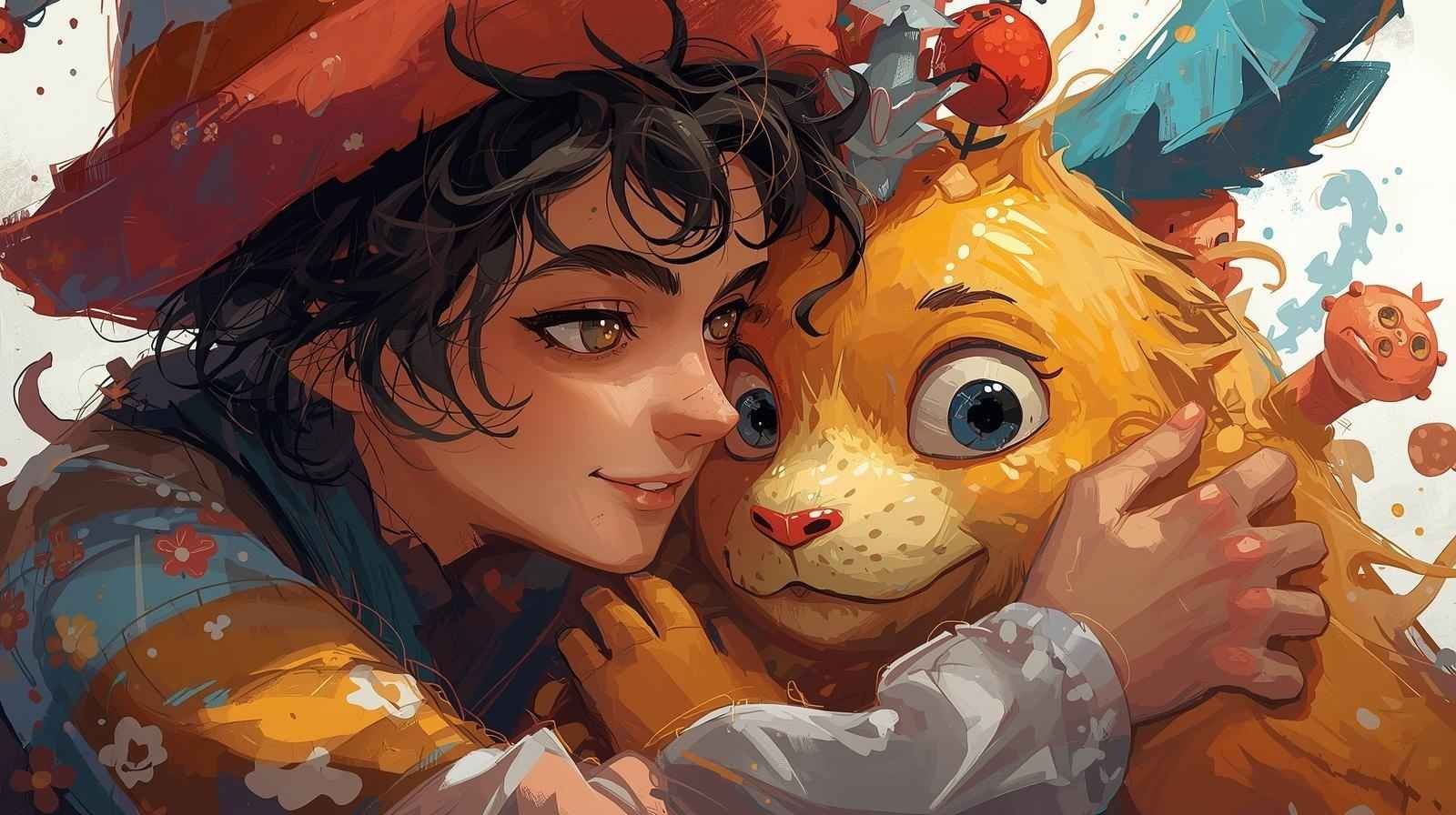
Creating creative visual prompts has become an important skill for digital artists and AI art enthusiasts. One popular concept discussed in online creative communities is how to do maikoruarts hugging palmon’s uvula whisk fx prompt. This prompt style combines imaginative character interaction with special visual effects to produce unique artwork.
Understanding how to structure this type of prompt helps artists generate detailed results. It involves combining character descriptions, emotional interaction, lighting, and whisk FX effects. When used correctly, these elements guide AI tools or digital illustration workflows to produce consistent and visually interesting outputs.
In this guide, you will learn the fundamentals of building this prompt. We will explore its structure, the important elements to include, and the techniques that improve the final visual outcome.
What Is the Maikoruarts Hugging Palmon’s Uvula Whisk FX Prompt
The maikoruarts hugging palmon’s uvula whisk fx prompt is a creative instruction used in AI art generation or digital illustration systems. It describes a specific artistic scene where characters interact while special whisk-like visual effects appear around them.
This prompt style focuses on three main ideas:
- Character interaction
- Detailed environmental description
- Special visual FX layers
Artists often use it to produce expressive scenes with emotional storytelling. The hugging element adds warmth and character emotion, while the whisk FX introduces motion and magical visual energy.
When written clearly, the prompt helps the art tool understand the scene composition and visual style.
Understanding the Key Elements of the Prompt
To successfully use the maikoruarts hugging palmon’s uvula whisk fx prompt, it is important to understand its main components.
Character Description
The first element is the character detail. Artists must clearly describe the characters involved. This includes appearance, posture, expression, and clothing style.
Strong character descriptions help the system visualize the interaction correctly.
Example elements include:
- Character names
- Physical features
- Emotional expressions
- Pose or movement
Clear descriptions prevent confusing outputs.
Scene Interaction
The hugging interaction is the central focus of the prompt. This moment represents emotion and connection between characters.
When describing the interaction, artists should mention:
- The body position
- Facial expressions
- The emotional tone of the scene
A well-written interaction description improves storytelling in the generated artwork.
Uvula Whisk FX Effect
The whisk FX component adds motion-based visual effects around the characters. This effect often appears as glowing streaks, magical trails, or stylized energy waves.
The purpose of the whisk FX is to enhance the visual depth of the artwork. It creates movement and artistic emphasis around the main characters.
Common visual features include:
- glowing whisk-like lines
- swirling energy effects
- soft particle lighting
- motion trails
These effects make the scene feel dynamic and expressive.
How to Structure the Prompt Correctly
Learning how to do maikoruarts hugging palmon’s uvula whisk fx prompt requires understanding how to organize the prompt text.
A well-structured prompt usually follows this order:
- Character description
- Action or interaction
- Environment setting
- Lighting and mood
- FX and stylistic elements
This sequence allows the art generator to process information logically.
For example, artists may begin by describing the characters and then explain the hugging action. After that, they add environmental context such as background scenery, lighting style, and visual effects.
Proper structure leads to clearer visual results.
Adding Environment and Background Details
A good prompt also includes environmental details. The background influences the atmosphere of the artwork.
Possible environment settings include:
- forest environments
- magical landscapes
- futuristic city scenes
- soft fantasy backgrounds
These details help define the scene’s mood.
For instance, a glowing forest background combined with whisk FX can create a mystical feeling. On the other hand, a bright city background may give the scene a modern artistic style.
Environment description should remain short but clear.
Using Lighting and Mood Effects
Lighting plays a major role in digital artwork prompts. When writing a maikoruarts hugging palmon’s uvula whisk fx prompt, lighting instructions help guide the overall visual tone.
Common lighting types include:
- soft glow lighting
- cinematic lighting
- ambient magical light
- warm emotional lighting
Mood words can also be included. These help communicate the emotional feeling of the scene.
Examples include:
- calm atmosphere
- joyful moment
- magical energy
- peaceful interaction
Combining lighting and mood elements improves the final composition.
Tips to Improve Prompt Quality
Artists who want better results should follow several practical tips.
Keep Sentences Clear
Short sentences help the generator interpret instructions more accurately.
Avoid Too Many Keywords
Adding excessive keywords can confuse the system. A balanced prompt produces better images.
Focus on the Main Scene
The hugging interaction should remain the central focus. Other elements should support the scene rather than distract from it.
Use Descriptive Visual Language
Words describing color, texture, and motion improve prompt clarity.
Examples include:
- glowing blue whisk effects
- soft swirling particles
- smooth light trails
These details guide the rendering process.
Common Mistakes to Avoid
Many beginners make small mistakes when trying to build prompts like maikoruarts hugging palmon’s uvula whisk fx prompt.
Some common issues include:
Overly Long Prompts
Very long prompts may produce inconsistent results. Keeping instructions focused is more effective.
Missing Scene Interaction
If the hugging action is not clearly described, the generator may create unrelated poses.
Weak FX Descriptions
Without detailed whisk FX instructions, the visual effect may not appear clearly in the final artwork.
Correcting these mistakes improves output quality.
Why This Prompt Style Is Popular
The maikoruarts hugging palmon’s uvula whisk fx prompt has gained popularity among creative communities because it blends character storytelling with visual effects.
Artists enjoy this style because it:
- emphasizes emotional character interaction
- allows creative FX experimentation
- produces visually engaging artwork
- works well with fantasy themes
The prompt style is flexible and can be adapted to many artistic directions.
Conclusion
Learning how to do maikoruarts hugging palmon’s uvula whisk fx prompt allows digital artists to produce detailed and expressive visual scenes. By combining character interaction, environment descriptions, lighting, and whisk FX effects, creators can build prompts that generate compelling artwork.
The key to success is maintaining a clear structure and balanced descriptions. Short sentences, focused storytelling, and carefully described effects help guide the art generation process.
With practice, artists can refine their prompts and create unique visual results that highlight both emotion and artistic style.
