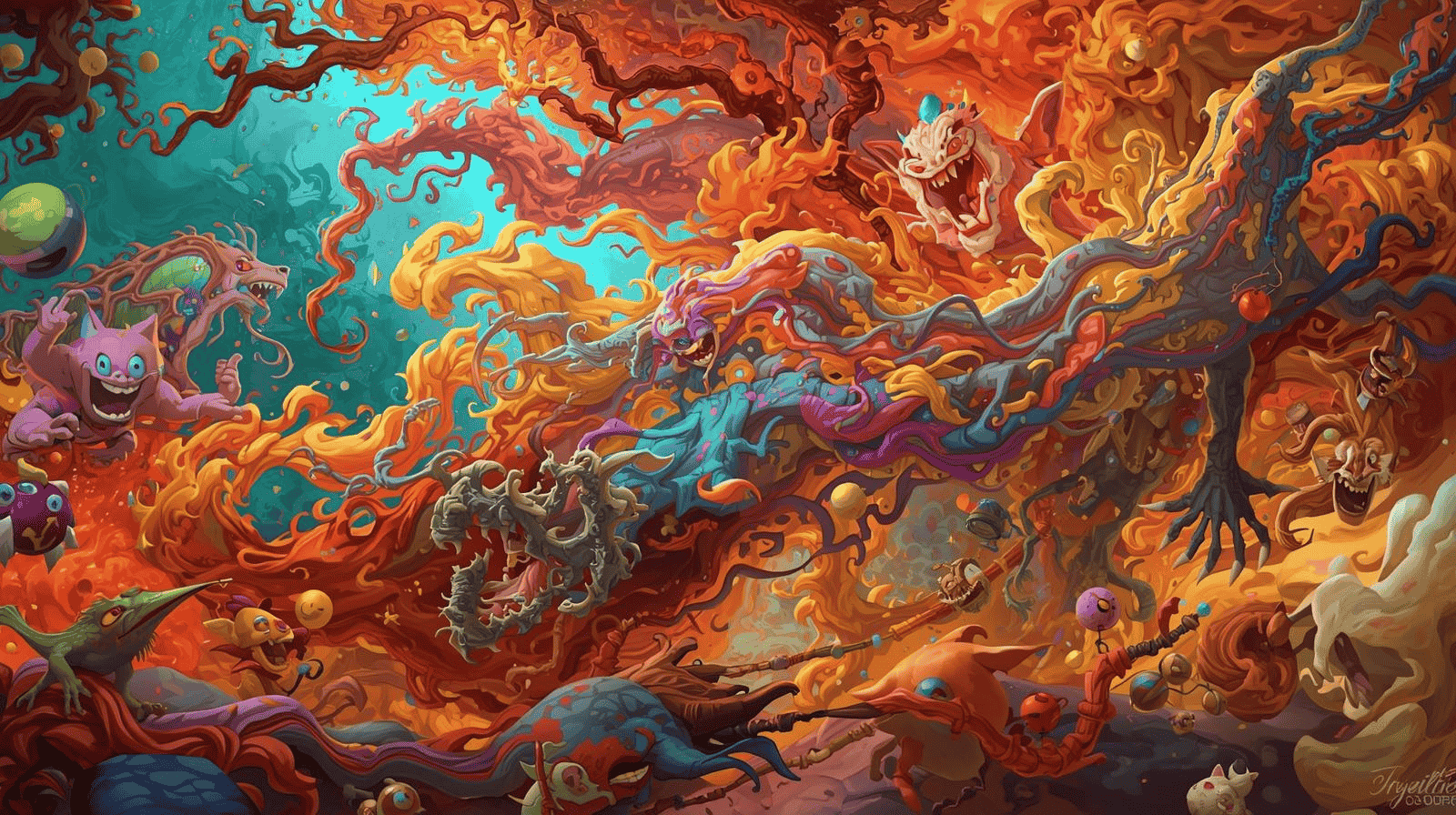
The term m fragilito art 2003 art is often associated with a distinct creative phase marked by emotional depth, experimental expression, and symbolic storytelling. Emerging in the early 2000s, this body of work reflects a time when artists were pushing boundaries and redefining visual language. The year 2003 stands out as a pivotal moment, blending personal narratives with broader cultural shifts.
This article explores the artistic style, themes, techniques, and long-term influence of this creative period. It also explains why this work continues to attract interest among art enthusiasts and collectors today.
Understanding the Concept Behind the Art
M fraglito art from 2003 is widely interpreted as a reflection of fragility, identity, and transformation. The name itself suggests vulnerability and emotional openness. Artists working within this approach focused on expressing internal states rather than external perfection.
The artworks often reject polished aesthetics. Instead, they embrace raw textures and imperfect forms. This choice reinforces the emotional message and invites viewers to connect on a deeper level. The art feels personal, almost confessional, yet it remains open to interpretation.
This period aligned with a global shift toward introspective art. Creators were responding to rapid social change, digital influence, and evolving cultural values.
Artistic Style and Visual Characteristics
The visual style of m fraglito art 2003 art is distinctive and immediately recognizable. It often combines abstract elements with figurative hints. Shapes may appear distorted or incomplete. Colors are frequently muted, layered, or intentionally clashing.
Brushstrokes and lines are expressive. They appear spontaneous rather than controlled. This approach gives the artwork a sense of movement and emotional urgency. Negative space is also used effectively, allowing silence and absence to become part of the composition.
Textures play a central role. Many pieces look weathered or fragmented. This reinforces themes of memory, decay, and resilience.
Key Themes Explored in the Work
One of the strongest themes is emotional fragility. The art explores fear, hope, loss, and renewal. These emotions are not clearly defined. Instead, they exist in tension, mirroring real human experience.
Identity is another recurring subject. Many works suggest a search for self or a struggle between inner and outer worlds. Figures may appear blurred or partially hidden, symbolizing uncertainty or transition.
Time is also an important idea. Layers, scratches, and faded tones hint at past experiences. The viewer senses history within the artwork, even without a clear narrative.
Techniques and Creative Process
Artists associated with this style often experimented with mixed media. Paint, charcoal, ink, and found materials were combined freely. This experimental process allowed for unpredictability, which became part of the final message.
Rather than planning every detail, creators let the work evolve organically. Mistakes were not corrected. They were embraced. This mindset challenged traditional artistic discipline and celebrated authenticity.
The creative process was often intuitive. Artists responded to emotion, music, or memory while working. This resulted in pieces that feel alive and deeply personal.
Cultural Context of the Early 2000s
The early 2000s were a time of transition. Technology was rapidly changing how people communicated and consumed art. At the same time, global uncertainty influenced creative expression.
M fraglito art from 2003 reflects this environment. It resists digital perfection and mass production. Instead, it emphasizes human touch and emotional truth. This contrast made the work stand out during a period of increasing standardization.
The art also resonated with younger audiences who were seeking meaning beyond surface-level imagery. It offered depth, honesty, and reflection.
Reception and Audience Interpretation
Reception of this art style has always been varied. Some viewers are immediately drawn to its emotional intensity. Others find it challenging or unsettling. This divided response is part of its strength.
The artwork does not provide clear answers. It asks questions. Each viewer brings their own experiences, shaping the meaning they see. This interactive quality keeps the art relevant over time.
Collectors often value these works for their uniqueness. No two pieces feel the same. Each one carries a sense of moment and intention.
Influence on Modern and Contemporary Art
The influence of m fraglito art 2003 art can still be seen today. Many contemporary artists adopt similar approaches, focusing on vulnerability and imperfection. The emphasis on process over polish has become more accepted in modern art spaces.
Themes of identity and emotional honesty remain central in current creative movements. This shows how ideas from 2003 continue to inspire new generations.
The style has also influenced digital and mixed-media art. Even in virtual spaces, artists seek to recreate the raw, human feel that defined this period.
Why This Art Still Matters Today
This body of work remains important because it speaks to universal emotions. Fragility, uncertainty, and resilience are timeless human experiences. The art captures these feelings without relying on trends or technology.
In a fast-paced world, these pieces encourage pause and reflection. They remind viewers that imperfection is not weakness. It is part of being human.
The lasting relevance of this style proves its artistic value. It continues to spark conversation, interpretation, and emotional connection.
Conclusion
M fraglito art 2003 art represents more than a creative trend. It marks a meaningful moment in artistic expression where honesty and vulnerability took center stage. Through raw visuals, experimental techniques, and powerful themes, this art form carved out a lasting place in contemporary culture.
Its influence persists because it refuses to be superficial. It invites viewers to feel, question, and reflect. That enduring emotional impact is what makes this art truly timeless.
