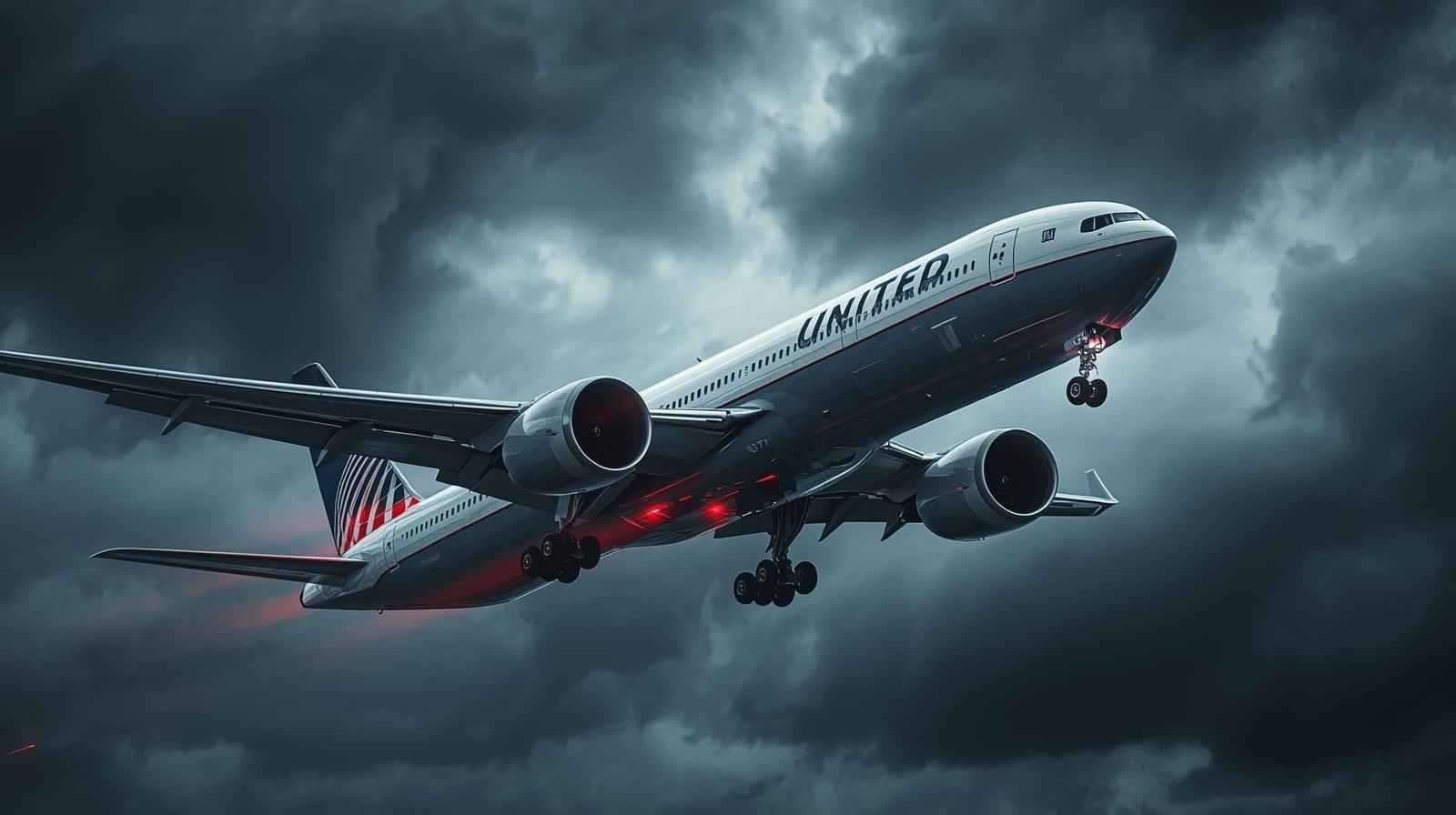
The incident involving United Airlines Flight UA770 emergency diversion captured strong public attention because it highlighted how quickly airline crews must respond to unexpected situations. When a commercial aircraft faces a potential risk, flight crews follow strict aviation safety protocols designed to protect passengers and ensure a controlled outcome. This diversion became a key example of modern airline operations, professional decision-making, and effective communication in a high-pressure environment. Travelers often wonder how such events unfold, why diversions become necessary, and what steps airlines take to safeguard everyone on board.
Why Emergency Diversions Happen
Emergency diversions occur when the flight crew determines that continuing the original route may not be the safest choice. Potential causes include medical situations, mechanical concerns, or environmental factors such as turbulence and weather changes. In cases like the UA770 situation, trained professionals rely on real-time data, cockpit alerts, and guidance from operations centers. A diversion is never taken lightly. It represents a deliberate strategy to minimize risk and maintain aviation safety standards. Airlines design extensive procedures to manage these moments, ensuring that passengers remain calm and informed while the crew handles the evolving circumstances. This reflects the industry’s focus on technical precision and passenger wellbeing.
The Decision-Making Process
The flight crew’s decision-making framework is based on quick assessment and teamwork. Pilots evaluate instrument readings, discuss conditions with air traffic control, and coordinate with ground teams. During an emergency diversion, time is critical but so is accuracy. Modern aircraft feature advanced monitoring systems that help identify issues quickly. When the UA770 crew opted for diversion, they followed these established principles. Their priority was to land the aircraft safely at the nearest suitable airport. This involves checking runway length, weather conditions, airport equipment, and emergency response readiness. Such structured procedures show how airline operations are built around predictability even in unexpected moments.
Passenger Experience During a Diversion
Passengers often feel anxious when a flight changes direction, but airlines train cabin crews to manage communication carefully. Clear information is essential. Crew members provide updates, offer reassurance, and maintain a calm environment. During events similar to the UA770 diversion, passengers typically receive explanations about the nature of the diversion and the estimated landing time. The cabin crew also assesses whether any passengers require assistance, especially if a medical event triggered the diversion. Hospitality, empathy, and organization become essential tools for the crew. These elements help protect passenger confidence and ensure that the diversion does not escalate into panic or confusion.
Operational Responses on the Ground
When a flight diverts, ground teams begin preparations immediately. Coordination among airport authorities, emergency services, maintenance departments, and airline representatives becomes crucial. If a technical issue is involved, maintenance personnel perform inspections to confirm whether the aircraft can continue its journey. If a medical emergency occurred, paramedics meet the aircraft as soon as it reaches the gate. In a situation like the United Airlines diversion, all these departments work together seamlessly. Their combined efficiency reflects the reliability of the aviation industry. Every response follows a structured chain, ensuring minimal delays and prioritizing safety above all.
Safety Protocols and Industry Standards
The aviation industry operates under strict regulations enforced by national and international authorities. These rules ensure consistency in pilot training, aircraft maintenance, and emergency planning. Events such as the UA770 diversion demonstrate the benefits of such rigorous oversight. Pilots undergo continuous training to handle unconventional scenarios confidently. Aircraft systems undergo regular maintenance to reduce mechanical risks. Airlines also conduct internal safety drills to refine their responses. Passengers often never see these elements, but they form the backbone of safe air travel. An emergency diversion shows how these standards function under real-world pressure.
Impact on Airline Operations
While diversions prioritize safety, they also affect scheduling, logistics, and resource allocation. The airline may need to reposition aircraft, reassign crew, or assist passengers with rebooking. For a flight like UA770, this could involve coordinating accommodations, arranging replacement aircraft, or updating connecting flight plans. These adjustments demonstrate the complex nature of airline management. Behind the scenes, operations teams work rapidly to restore schedule stability while ensuring passenger convenience. Although diversions introduce challenges, airlines prepare for them through structured contingency planning and flexible operations systems.
Lessons Learned and Industry Improvements
Every diversion becomes a learning opportunity. Airlines review each case to determine how procedures performed and whether improvements can be made. This commitment to continuous improvement strengthens aviation safety standards. Events like the United Airlines diversion help refine communication guidelines, training modules, and emergency response coordination. The industry relies on detailed reporting and analysis to prevent future occurrences and improve the passenger experience. This iterative approach allows airlines to remain responsive to evolving technology and operational challenges.
Broader Importance of Aviation Preparedness
Aviation preparedness extends beyond pilots and crew members. Technology developers, regulatory agencies, air traffic controllers, and maintenance engineers all shape safety outcomes. When an aircraft diverts due to an unexpected situation, it demonstrates the interconnected efforts of these groups. The UA770 event underscores the importance of investing in reliable aircraft systems, real-time communication tools, and highly trained personnel. Preparedness ensures that even when plans change, the system adapts without compromising safety. This reliability is one reason air travel remains one of the safest forms of transportation.
Conclusion
The incident involving United Airlines Flight UA770 emergency diversion highlights how aviation safety, skilled decision-making, and coordinated responses protect travelers in critical situations. Although diversions may seem alarming to passengers, they represent the aviation industry’s commitment to caution and preparedness. The combined efforts of pilots, cabin crew, ground teams, and regulators ensure that every step reflects best practices. Events like this reinforce trust in modern aviation and showcase how structured protocols guide successful outcomes even during unexpected circumstances.
